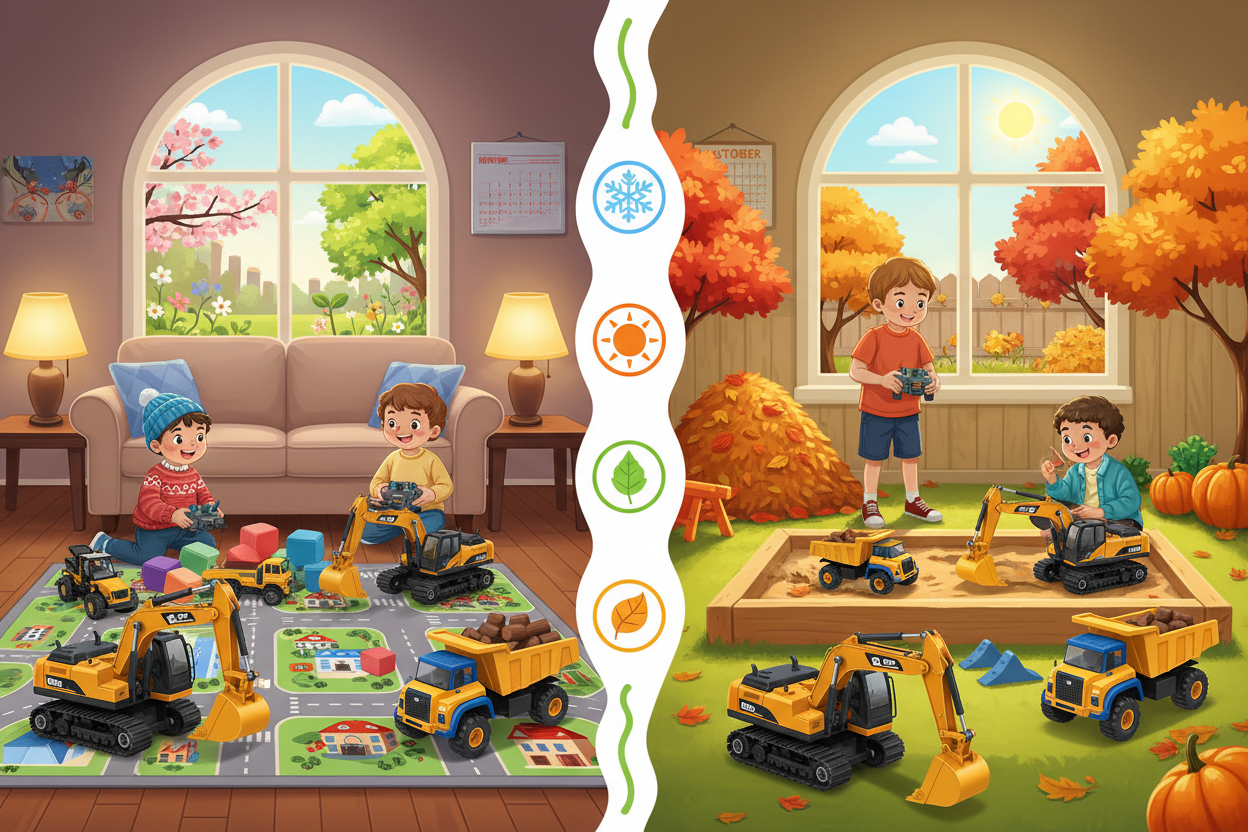

When it comes to buying RC toys—whether it's a high-speed truck, a realistic excavator, or an agile helicopter—the material is a make-or-break factor. It impacts durability, performance, playability, and even cost, making it crucial to match the material to your needs, skill level, and play style. Brands like Huina (a leader in RC construction toys) offer models in a range of materials, from budget-friendly plastic to premium metal and carbon fiber, ensuring there's an option for every enthusiast. In this guide, we'll break down the most common RC toy materials, their pros and cons, and how to choose the perfect one for you—so you can get the most out of your RC hobby.
Why RC Toy Material Matters
The material of an RC toy isn't just about aesthetics—it directly influences how the toy performs, how long it lasts, and what kind of play it's suited for. For example, a plastic RC car might be ideal for a young kid's casual backyard play, while a metal RC excavator is better for a serious hobbyist seeking realism and durability.
Material also affects key factors like weight (impacting speed and maneuverability), resistance to wear and tear (critical for outdoor or rough play), and customization potential (important for those who love modifying their toys). Whether you're a parent shopping for a child, a beginner dipping into the hobby, or a seasoned player looking to upgrade, understanding materials will help you avoid buyer's remorse and choose a toy that grows with your needs.
Common RC Toy Materials: Pros, Cons & Best For
RC toys use a variety of materials, each tailored to specific parts and purposes. Here's a detailed breakdown of the most popular options:
1. Plastic (Polycarbonate, ABS, Nylon)
Plastic is the most common material in RC toys, used for everything from bodies and shells to gears and suspension parts. The three main types are:
- Polycarbonate (Lexan): A durable, impact-resistant plastic used for RC car/truck bodies. It's flexible enough to absorb collisions (perfect for off-roading or racing) and easy to paint, making it a favorite for custom builds. Huina uses polycarbonate for some entry-level RC truck bodies, balancing affordability and resilience.
- ABS Plastic: Stiffer than polycarbonate, ABS is used for structural parts like chassis components, helicopter shells, and small details. It holds shape well but is less flexible—better for gentle play than extreme crashes.
- Nylon: A tough, wear-resistant engineering plastic used for gears, hinges, and suspension arms. It handles friction and impact well, making it ideal for moving parts that need to withstand repeated use.
Pros: Lightweight, affordable, easy to manufacture (keeping toy prices low), and available in a range of colors. Polycarbonate and nylon offer good impact resistance for casual to moderate play.
Cons: Less durable than metal for heavy use; can crack or warp under extreme stress (e.g., high-speed crashes, rough terrain). ABS is prone to breaking if dropped from height.
Best For: Kids (3–10 years old), beginners, casual hobbyists, or anyone on a budget. Great for indoor play or gentle outdoor use.
2. Metal (Aluminum Alloy, Stainless Steel, Reinforced Steel)
Metal is a premium choice for RC toys, often used in high-end models or critical components that need strength and realism. Common metals include:
- Aluminum Alloy (6061/7075): Lightweight yet strong, aluminum is used for chassis, brackets, and structural parts. 7075 aluminum (stronger than 6061) is popular in high-performance RC cars and Huina's semi-alloy excavators, balancing durability and weight.
- Stainless Steel: Corrosion-resistant and tough, stainless steel is used for screws, axles, and small moving parts. It's ideal for outdoor use, as it won't rust in damp conditions.
- Reinforced Steel: Used for high-stress parts like helicopter主轴 (main shafts) and RC truck drive trains. It offers maximum strength but adds weight, so it's reserved for critical components.
Pros: Exceptionally durable, resistant to wear and tear, and provides a realistic, premium feel. Metal parts enhance stability and can withstand rough play, making them perfect for outdoor adventures or heavy use.
Cons: Heavier than plastic (can reduce speed and battery life), more expensive, and prone to scratches (though some enthusiasts appreciate the “weathered” look).
Best For: Serious hobbyists, older kids (10+), collectors, or anyone seeking realism. Great for outdoor play, construction-themed toys (like Huina's all-metal excavators), and modified builds.
3. Carbon Fiber
Carbon fiber is a high-performance composite material used in top-tier RC toys and改装 parts. It's made of carbon threads woven together and bonded with resin, offering an unbeatable strength-to-weight ratio.
Pros: Extremely strong, ultra-lightweight, and rigid—perfect for improving speed, maneuverability, and structural integrity. It's resistant to bending and wear, making it ideal for high-speed racing or professional-grade models.
Cons: Very expensive (often 2–3x the cost of plastic or metal parts), brittle if hit at the right angle, and hard to repair if damaged.
Best For: Advanced hobbyists, professional racers, or anyone willing to invest in premium performance. Used in high-end RC cars, helicopters, and Huina's top-tier modification parts.
4. Auxiliary Materials (Rubber, Foam, Leather)
These materials complement the main components, enhancing performance and comfort:
- Rubber: Used for tires (improves grip and shock absorption) and shock pads (reduces vibration). Huina's RC trucks feature rubber tires with deep treads for better traction on dirt, grass, or gravel.
- Foam: Common in RC planes and helicopters for lightweight, shock-absorbent bodies. It's great for beginners, as it minimizes damage from crashes.
- Leather/Artificial Leather: Found on high-end remote controls (grips) or custom straps, adding comfort and a premium feel.
How to Choose the Right Material for You
Now that you know the basics, here's how to narrow down your choice based on your needs:
Consider Your Skill Level & Age
- Kids (3–8 years old): Opt for plastic (polycarbonate or ABS) RC toys. They're lightweight, affordable, and forgiving of rough play. Huina's entry-level plastic RC trucks and excavators are perfect—they offer basic functionality without the risk of expensive damage.
- Beginners (9–16 years old): Semi-alloy models (plastic bodies with metal parts) strike a balance between durability and cost. Huina's 1:14 semi-alloy RC excavators (e.g., Huina 1593) use metal for critical parts (bucket, gears) and plastic for the body, offering realism without the premium price.
- Advanced Hobbyists/Adults: Full-metal or carbon fiber models are ideal. They handle heavy use, offer precise control, and are customizable. Huina's all-metal RC excavator (Huina 1580) is a top choice for enthusiasts, with a durable aluminum alloy body and stainless steel components.
Think About Play Environment
- Indoor Play: Plastic or semi-alloy models work best. They're lighter (won't damage furniture) and less noisy than metal. Avoid carbon fiber—its rigidity can lead to damage if crashed into walls.
- Outdoor Play: Metal or semi-alloy models are better. They withstand dirt, rocks, and moisture (stainless steel resists rust) and handle rough terrain. Rubber tires (standard on Huina's outdoor RC trucks) improve grip on grass, dirt, or gravel.
Evaluate Your Budget
- Budget ($50–$200): Stick to plastic models. They offer good value for casual play and are easy to replace if damaged.
- Mid-Range ($200–$500): Semi-alloy models are the sweet spot. They offer durability and realism without the high cost of full-metal or carbon fiber.
- Premium ($500+): Invest in full-metal or carbon fiber. These models are built to last, offer top-tier performance, and are perfect for serious hobbyists or collectors.
Factor in Customization Needs
If you love modifying your RC toys (e.g., upgrading parts, painting bodies), plastic (polycarbonate) or metal is best. Polycarbonate is easy to paint and drill, while metal parts (aluminum, stainless steel) are compatible with aftermarket upgrades. Carbon fiber is less customizable but offers peak performance for those who prefer stock or minimal modifications.
Top Material Picks for Popular RC Toy Types
Different RC toys have unique material needs. Here's what to look for:
- RC Cars/Trucks: Polycarbonate bodies (for impact resistance) and nylon gears (for durability). Off-road trucks benefit from metal suspension parts, while racing cars prioritize lightweight plastic or carbon fiber.
- RC Excavators/Cranes: Semi-alloy or full-metal for realism and strength. Huina's RC excavators use metal for the bucket, arm, and gears—critical for digging and lifting tasks.
- RC Helicopters/Planes: Foam or plastic bodies (for light weight) and stainless steel shafts (for strength). Carbon fiber is used in high-performance helicopter rotor blades for rigidity.
- RC Boats: Plastic or fiberglass bodies (water-resistant) and stainless steel hardware (rust-proof).
Conclusion: Choose Wisely for Maximum Fun
The right RC toy material depends on your age, skill level, play style, and budget. Plastic is perfect for kids and beginners, semi-alloy offers balance for casual hobbyists, and metal/carbon fiber caters to serious enthusiasts seeking performance and durability. Brands like Huina make the choice easier by offering models in every material category—from affordable plastic trucks to premium all-metal excavators—ensuring there's a toy that fits your needs.
When shopping, always check the material breakdown (most brands list this in product descriptions) and consider how you'll use the toy. Will it be played with indoors or outdoors? By a child or an adult? Will you modify it or keep it stock? Answering these questions will help you pick a material that enhances your play experience and ensures your RC toy lasts for years.
Ready to find your perfect RC toy? Explore Huina's full range of material options—from plastic to metal—here: https://huina-toys.com/